



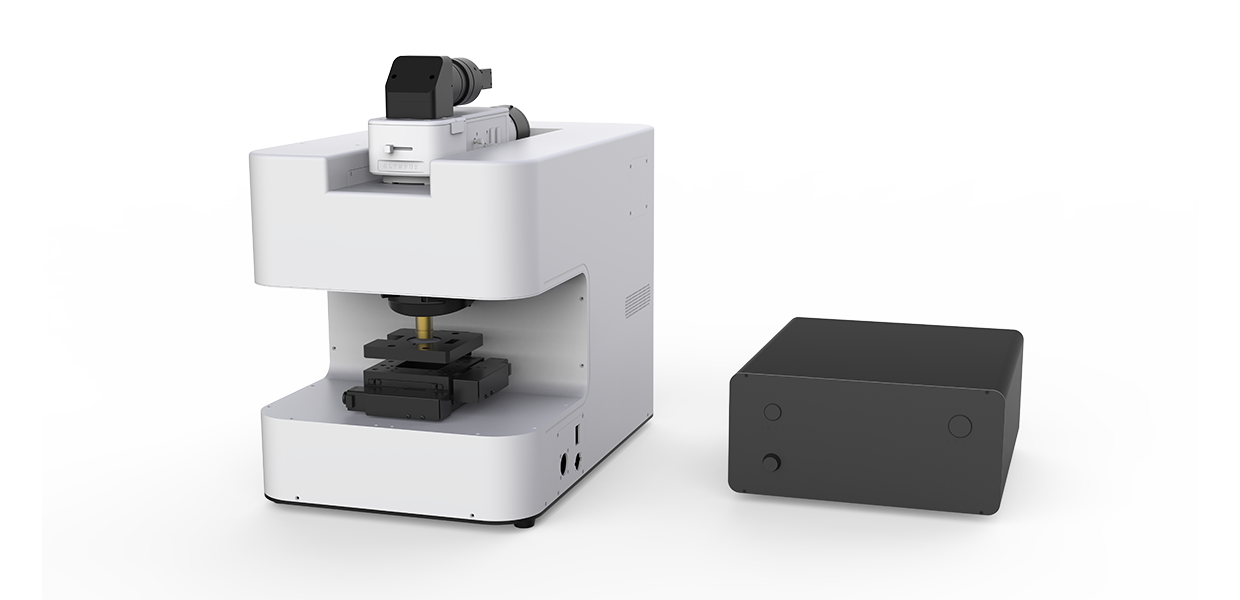
LIBS
Laser-induced breakdown spectroscopy, or LIBS, is a new-generation atomic emission spectroscopy platform for elemental analysis. Using a laser as the excitation source, it enables in situ, rapid, multi-element qualitative and quantitative detection without sample pre-treatment.


Principle of Operation
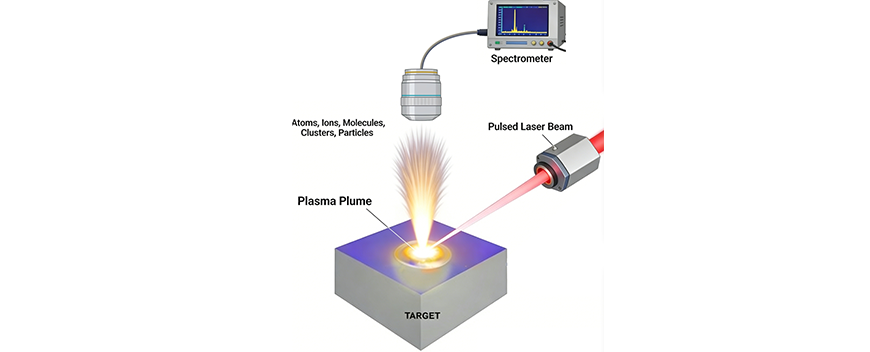
A UV laser is focused precisely onto the sample surface, instantly generating micron-scale plasma. A high-precision spectrometer captures the characteristic emission spectra from that plasma, with each element corresponding to its own spectral lines. Intelligent analysis software then matches the spectrum against the library, quickly identifies the element types, calculates content, and outputs accurate results in real time.
Core Advantages and Customer Value


-
 High-Resolution Micro-Area Detection
Equipped with a custom 355 nm UV objective, the system can focus to a spot as small as 5 um and achieve spectral resolution better than 0.2 nm. This supports micron-scale localized excitation for material micro-area composition analysis, failure analysis, and related industrial and research workflows.

-
 Fast All-Element Screening
With spectral coverage from 200 to 800 nm, the system supports Li-to-U element detection and fast single-point testing. Multi-element parallel screening shortens test cycles for production quality control and high-throughput research.
-
 Low-Damage Analysis with Environmental Control
The system ablates only microgram-level sample volume and is close to non-destructive. Optional vacuum or inert-gas chambers help maintain RSD around 3%, making the platform suitable for precious samples such as cultural relics and advanced chips while also supporting 2D and 3D elemental imaging.
Applications
-

 Energy
Use cases: coal ash testing, differentiation of nuclear-grade graphite, and sodium-concentration testing in solar cells. Value: no pre-treatment is required, enabling real-time process optimization. The source copy ends with a likely corrupted phrase that requires confirmation before implementation.
-
 Mining
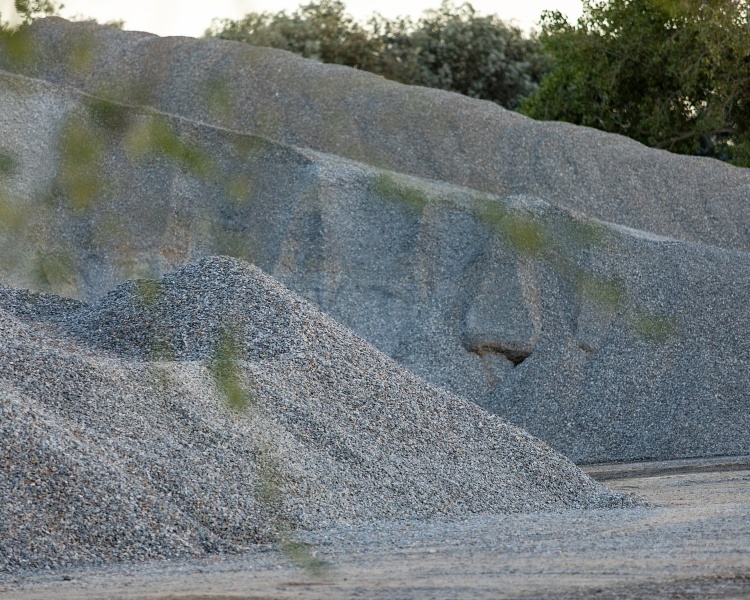
Use cases: quantitative analysis of gold and silver in ore and elemental imaging of minerals.
Value: quickly determine ore grade and reduce ineffective extraction. -
 Metals
Use cases: zinc-alloy sorting, slag composition analysis, and metal-coating thickness inspection.
Value: deliver results in seconds, improve quality control, and reduce rework cost. -
 Pharmaceuticals
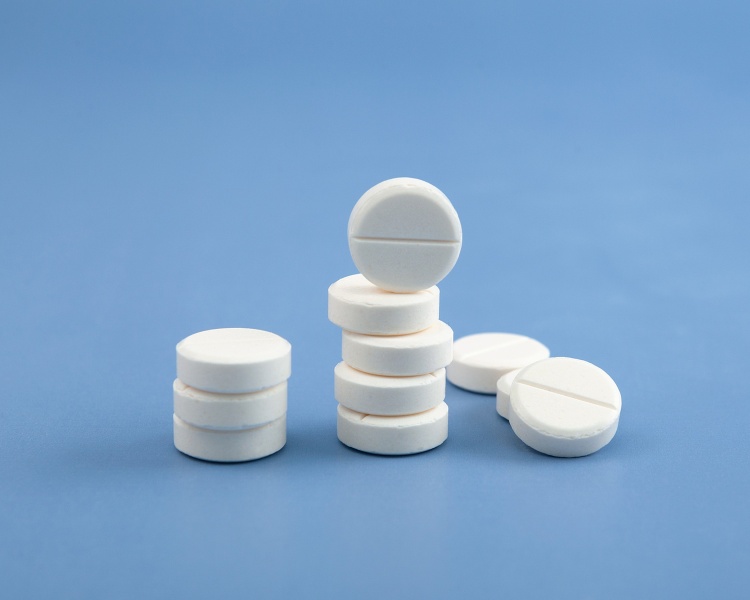
Use cases: tablet-coating thickness uniformity inspection and origin / part identification for traditional Chinese medicinal materials.
Value: non-destructive inspection helps protect drug safety and prevent adulteration. -
 Food
FoodUse cases: coffee adulteration detection and heavy-metal screening in agricultural products.
Value: about one minute per sample for efficient food-safety assurance. -
 Cultural Heritage Preservation
Use cases: mural-pigment identification and layered analysis of bronze artifacts.
Value: non- contact, low-damage testing helps protect valuable cultural objects. -
Energy
Use cases: coal ash testing, differentiation of nuclear-grade graphite, and sodium-concentration testing in solar cells. Value: no pre-treatment is required, enabling real-time process optimization. The source copy ends with a likely corrupted phrase that requires confirmation before implementation.
-
Mining
Use cases: quantitative analysis of gold and silver in ore and elemental imaging of minerals.
Value: quickly determine ore grade and reduce ineffective extraction. -
Metals
Use cases: zinc-alloy sorting, slag composition analysis, and metal-coating thickness inspection.
Value: deliver results in seconds, improve quality control, and reduce rework cost. -
Pharmaceuticals
Use cases: tablet-coating thickness uniformity inspection and origin / part identification for traditional Chinese medicinal materials.
Value: non-destructive inspection helps protect drug safety and prevent adulteration. -
Food
Use cases: coffee adulteration detection and heavy-metal screening in agricultural products.
Value: about one minute per sample for efficient food-safety assurance. -
Cultural Heritage Preservation
Use cases: mural-pigment identification and layered analysis of bronze artifacts.
Value: non- contact, low-damage testing helps protect valuable cultural objects.
Technical Specifications

| Laser System | Spectral System | Analytical Performance | Sample Compatibility | Environmental Control | Software Functions |
| Wavelength 355nm(UV), pulse width ns class, spot diameter 5–100μm(adjustable) | Spectral range 200-800 nm, spectral resolution <0.2nm, detector high-sensitivity CCD | Element coverage Li-U, full-spectrum test time <0.1s per point, detection limit ppb level for selected elements | Sample state solid/liquid/gas, stage fully automatic moving stage supporting 2D and 3D imaging | Optional vacuum/inert-gas chamber, chamber operating temperature 15-35 deg C | Supports spectral analysis, quantitative modeling, and data export; compatible with Windows and designed with a simple operator interface |
Downloads
-

Product Brochure
LIBS Laser-Induced Breakdown SpectroscopyProduct:LIBS